


Somewhere in midlife, a lot of women start noticing the small shifts in strength. Carrying groceries takes more effort than it used to, stairs feel a little steeper, and getting up from the floor can turn into a whole moment. It’s not a personal failing, and it’s not “all downhill from here”, it’s often just a sign that your muscles need more support than they did in your 30s and 40s.
The good news is that strength is something you can build and keep, at any age. A few steady habits, eating enough protein, doing simple strength training, and moving your body every day, can make everyday life feel easier again. This post breaks down why those three things matter, and how to start in a way that feels realistic, not overwhelming.
Strength Training
As you get older, you lose muscle, and the old saying “if you don’t use it, you’ll lose it” has never been truer. This is where strength training enters the picture.
And it’s not about being the next powerlifter but doing regular exercises that help you retain your strength and build on it in a functional way. You want movements like the following to retain
- Sit to stands from a chair
- Squats or supported squats
- Carrying weight while walking
- Pushing (wall press, press-ups, overhead rows)
- Pulling (resistance band rows, dumbbell rows)
Two or three sessions per week are enough if effort is real and you’re focusing on form and correct movements to maximize impact. The last rep should feel challenging because if everything feels easy, they adapt to comfort, not strength.
Protein Intake
A lot of women, especially after 50, don’t get as much protein as their body actually needs, not because they’re doing anything wrong, but because we weren’t really taught to prioritize it. Protein isn’t just for bodybuilders, it’s one of the main building blocks your body uses to maintain muscle, support recovery, and stay strong for everyday life. Since muscle is constantly being broken down and rebuilt, it helps to include protein at each meal so your body has a steady supply of amino acids to work with.
As a simple starting point, many women do well aiming for around 25 to 35 grams of protein per meal, or roughly 80 to 100 grams across the day, depending on body size and activity level. When protein is consistently low, it can make strength training and mobility work feel harder than it needs to, and slow down the progress you’re trying to make.
A practical approach for increasing protein looks like
- Including a protein source at each meal
- Eggs, yogurt, fish, chicken, tofu, beans, and cottage cheese are all great protein sources.
- Aim for roughly 20–40g per meal rather than loading it all at dinner.
This is a more realistic way to approach protein intake, not as a shortcut as some try to find. Sure, protein shakes and bars have their place, but the more protein you can get from natural sources, the better. This goes for supplements, too. While some are great and have their place when you’re upping protein to build strength, there are also gray-area products, such as the LGD4 supplement for strength, which is discussed heavily in biohacking spaces despite being more of a research compound than a regulated supplement.

Daily Movement
Formal workouts are great, but they can’t do all the heavy lifting if the rest of the day is mostly sitting. When we stay still for long stretches, joints can start to feel stiff, circulation slows down, and even simple movement can feel harder than it should. It’s not because your body is “getting old”, it’s because bodies are built to move often, not perfectly.
Daily movement doesn’t have to mean a big walk, a gym session, or anything intense. Think of it as keeping your body “switched on” throughout the day, so you’re not going from sitting for hours straight into suddenly asking your hips, knees, and back to perform on demand. Small, consistent movement adds up, and it supports strength training too, because you stay looser, steadier, and more mobile between workouts.
Some simple habits you can put in place include:
- Standing up regularly during long sitting periods (even a quick 1 to 2 minute reset helps)
- Walking during phone calls, or pacing while you listen to a podcast
- Light stretching for hips, calves, and shoulders, especially after sitting
- Using stairs where possible, even if it’s just one flight
- Parking a little farther away when you can, or taking the long way through the store
- Doing a quick lap around your home every hour or two, just to keep things moving
- Adding a few gentle “mobility moments”, ankle circles, shoulder rolls, a few slow squats to a chair
- Ending the day with a short walk or easy stretch to help your body decompress
The goal here isn’t to rack up steps like it’s a competition. It’s to make movement part of your day in a way that feels doable, so your body stays more comfortable and capable, and you’re supporting your strength and independence without needing a full workout every time.
Consistency
While all the things mentioned are great, they won’t really help you stay strong and independent in isolation. Progress comes from repetition. Two strength training sessions per week. Regular protein intake most days, movement built into your day as standard, and sleep patterns that are mostly stable. It’s not about perfection here; it’s about reliability. The same habits are repeated each day to benefit your body and support strength and independence with ease.
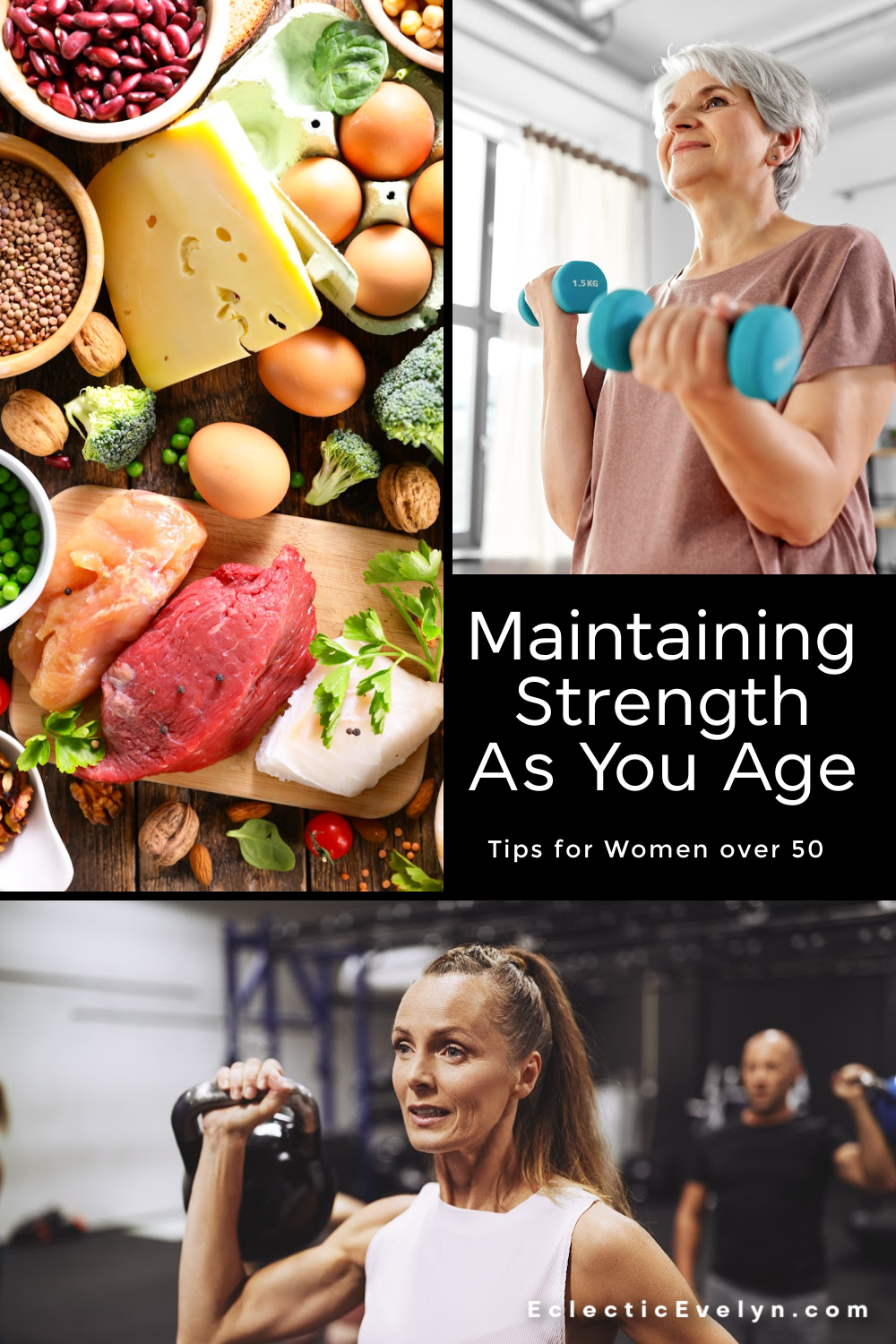
Strength isn’t something you either have or don’t, it’s something you can build and maintain with a few steady habits. When you pair simple strength training with enough protein, keep your body moving daily, and stay consistent over time, you’re giving yourself the best chance to feel capable and supported in everyday life. Start where you are, keep it realistic, and remember that every small choice you repeat is part of building real strength.


